

Using Technology to Combat Social Isolation in the Care Sector
Social isolation is one of the biggest challenges facing health and social care today.
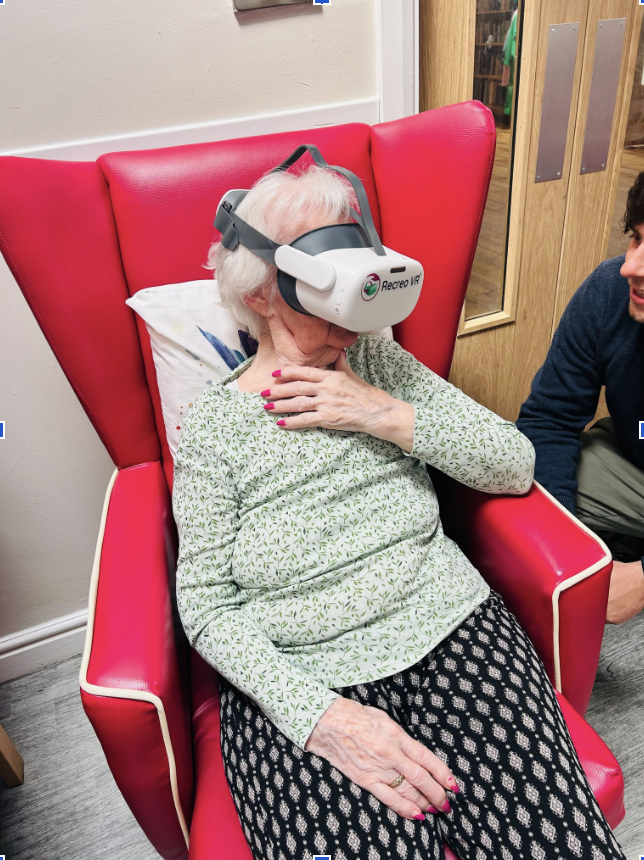
While care homes work tirelessly to support residents' physical needs, many older adults continue to experience loneliness, reduced social interaction, and a lack of meaningful engagement. These issues don't just affect quality of life. Research shows they can have a significant impact on both physical and cognitive health.
As care providers face increasing pressure to improve resident wellbeing, many are turning to technology as a practical way to support social connection and meaningful activity.
How Social Isolation Happens in Care Settings
Many residents move into care settings after losing a partner, experiencing declining mobility, or becoming separated from family and friends. Health conditions such as dementia, sensory impairments, stroke, or reduced mobility can also make it harder to participate in social activities.
In some cases, residents may spend long periods in their rooms due to health conditions or confidence issues. Others may struggle to connect with activities that don't reflect their interests, life experiences, or personal preferences.
Despite the best efforts of care teams, maintaining meaningful engagement for every resident can be challenging when resources are stretched, and resident needs continue to grow.
The Impact of Social Isolation on Residents
The consequences of social isolation go far beyond feelings of loneliness. Research has consistently linked social isolation to poorer health outcomes among older adults.
According to research referenced by Stanford University, social isolation can increase the risk of dementia by approximately 50%.
Studies have also shown that loneliness and social isolation are associated with:
Increased risk of cognitive decline
Higher rates of depression and anxiety
Reduced physical activity
Increased risk of cardiovascular disease
Greater likelihood of hospital admission
Reduced overall quality of life
The health impact of chronic loneliness has been compared to smoking up to 15 cigarettes per day. For residents living with dementia, the effects can be even more significant. Reduced stimulation and social interaction may contribute to increased confusion, withdrawal, and a decline in overall well-being.
Other Reasons Care Homes Should Be Concerned About Social Isolation
The Care Quality Commission (CQC) has placed greater emphasis on lived experiences and person-centred care through its Single Assessment Framework. Inspectors are increasingly looking at evidence that residents are supported to live fulfilling lives, maintain relationships, pursue interests, and engage in meaningful activities.
The focus is no longer solely on whether care is delivered safely. It is also about whether people are living well. Providers that struggle to demonstrate meaningful engagement may find it more difficult to achieve and maintain strong inspection outcomes.
At the same time, families are becoming more informed about what good care looks like. When choosing a care home, relatives are increasingly asking questions about activities, social opportunities, and resident wellbeing alongside traditional care considerations.
The Pressure on Care Staff
Care teams understand the importance of social interaction. The challenge is often finding the time and resources to deliver it consistently.
Across the sector, staffing shortages continue to place significant pressure on care providers. Activity coordinators frequently work alone while balancing a wide range of responsibilities, from organising events and one-to-one sessions to supporting residents with varying physical and cognitive needs.
Even with dedicated teams, delivering personalised activities for every resident every day can be difficult.
Staff are often expected to:
Support residents with complex needs
Deliver meaningful activities
Complete documentation
Assist with care requirements
Respond to changing resident needs
How Virtual Reality is Benefiting Care Settings Across the UK
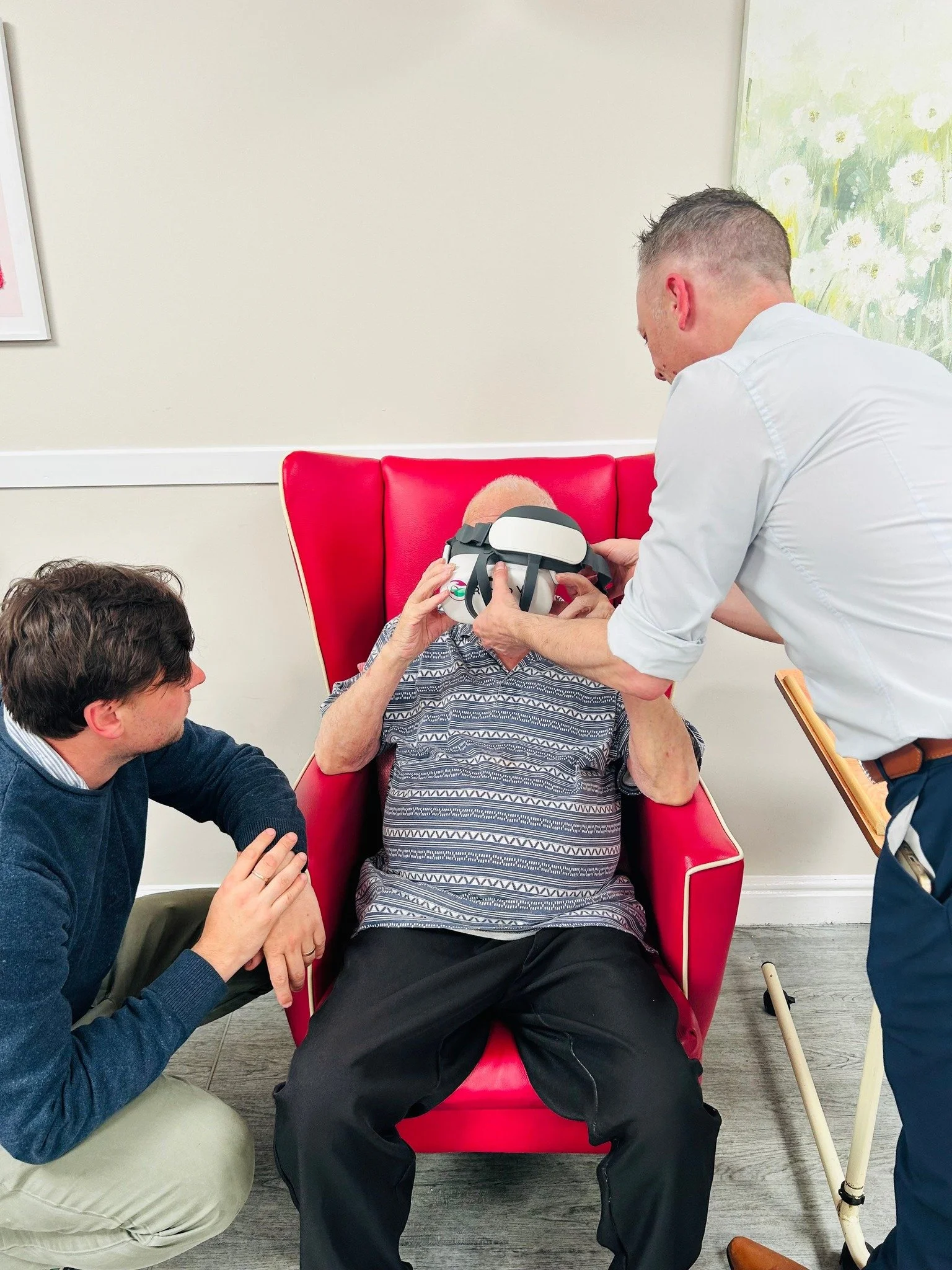
Virtual Reality is emerging as one of the most effective tools for delivering meaningful engagement in care settings. Unlike traditional activities, VR allows residents to experience places, events, and memories that may no longer be physically accessible.
Residents can visit familiar locations, explore new countries, attend cultural events, revisit childhood destinations, or simply enjoy immersive experiences from the comfort of their chair. Research into VR use within older adult populations has demonstrated a number of benefits, including:
Increased Social Interaction
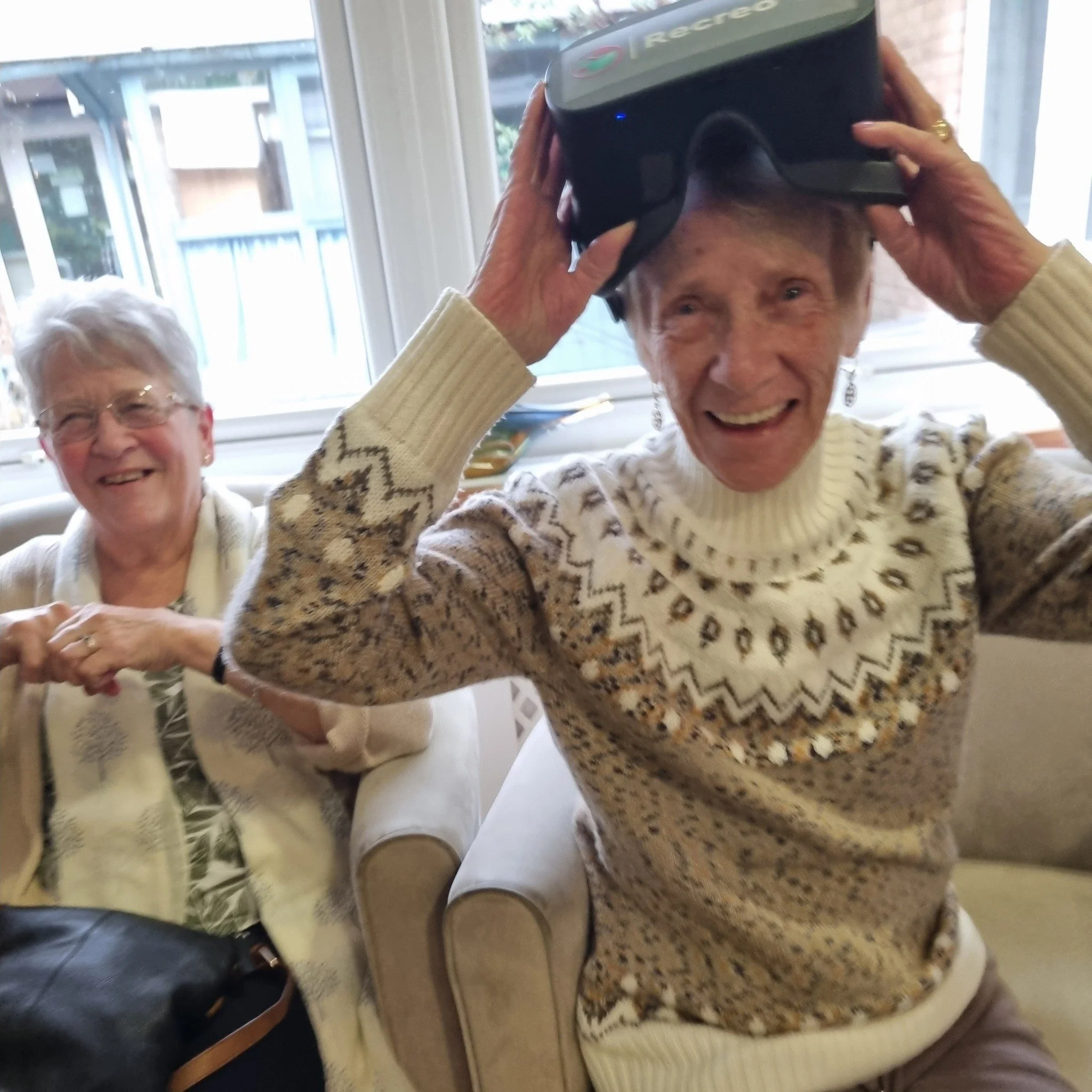
VR experiences naturally encourage conversation between residents, staff, and family members. Residents often discuss their experiences, share memories triggered by familiar locations, and engage with others in ways that traditional activities may not always achieve.
Improved Mood and Wellbeing
Multiple studies have reported improvements in mood, enjoyment, and emotional wellbeing following VR sessions. Immersive experiences can provide positive stimulation, moments of excitement, and opportunities for reminiscence.
Enhanced Reminiscence Therapy
For people living with dementia, familiar locations and meaningful experiences can trigger memories and encourage communication. This can help support person-centred care while creating valuable opportunities for engagement.
Greater Accessibility
Many experiences that would otherwise be impossible due to mobility limitations become accessible through VR. Residents can explore beaches, cities, museums, countryside locations, and cultural landmarks without leaving the care home.
Efficient Delivery
Modern VR systems require minimal intervention and can be used by residents with little or no previous experience of technology. This allows activity teams to deliver meaningful experiences to multiple residents without creating significant additional workload.
Recreo VR
At Recreo VR, everything we do is built around the needs of residents, care teams, and activity coordinators.
Rather than relying solely on generic third-party videos, we produce much of our own immersive content. This gives us greater control over quality, accessibility, and suitability for care settings. Every experience is created with residents in mind, ensuring content is comfortable, engaging, and appropriate.
We work alongside charities, healthcare organisations, care providers, and community groups to create experiences that deliver genuine value. These partnerships help us develop content that reflects real interests, supports meaningful engagement, and responds to the evolving needs of the sector.
By listening to feedback from care homes across the UK, we continuously refine our platform, introduce new experiences, and improve the overall user experience.
Many providers tell us that our headsets are lightweight, easy to use, and straightforward for staff to facilitate. We also provide onboarding, training sessions, and ongoing support to help teams get the most from the technology.