
How VR Benefits Dementia Patients?
A diagnosis of dementia can feel overwhelming for both the patient and their family. However, evidence suggests that when people are well-prepared and supported, these emotions are often balanced by a sense of reassurance and even empowerment.
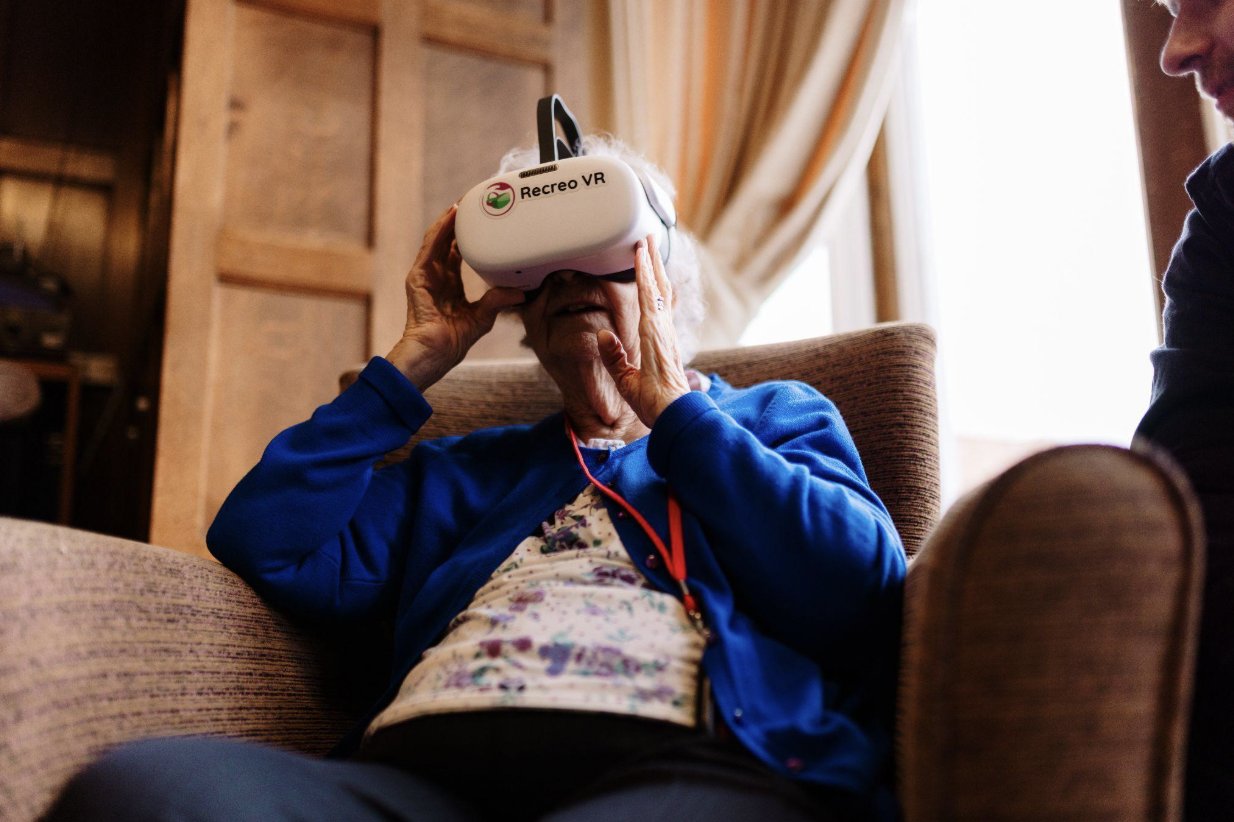
Alongside drug treatments and medical interventions, support is important, and it can take many forms. For a person diagnosed with dementia, quality of life can be improved through:
Social support: Access to networks that provide reassurance and companionship.
Inclusive, dementia-friendly design: Environments that are easier to navigate and safer to live in.
Activities and reminiscence sessions: Helping to keep the mind active and strengthen a sense of identity.
Rehabilitation and respite care: Ensuring both individuals and their carers get the rest and recovery they need.
Virtual Reality for people living with Dementia.
VR has been proven to open up unique opportunities for stimulation, reminiscence, and engagement, whether that’s revisiting familiar places, experiencing calming environments, or enjoying activities that encourage joy and social connection.
For many patients, VR can reduce feelings of anxiety, support memory recall, and promote relaxation. It’s a way of enhancing wellbeing, creating moments of comfort, and helping people maintain a sense of identity in a safe and supportive setting.
How Virtual Reality Helps with Memory Recall for Dementia Patients
Memory loss is one of the most challenging aspects of dementia, affecting not only individuals living with the condition but also their families and care teams. As care providers continue to explore non-pharmacological approaches to support wellbeing, virtual reality (VR) is emerging as a powerful tool for memory recall and reminiscence therapy.
Dementia often impacts short-term memory first, while long-term memories can remain accessible for much longer. Reminiscence therapy focuses on activating these long-term memories through familiar sights, sounds, and experiences.
Virtual reality enhances this approach by placing individuals inside immersive, recognisable environments rather than asking them to imagine or remember them. This can make memory recall more immediate and emotionally meaningful.
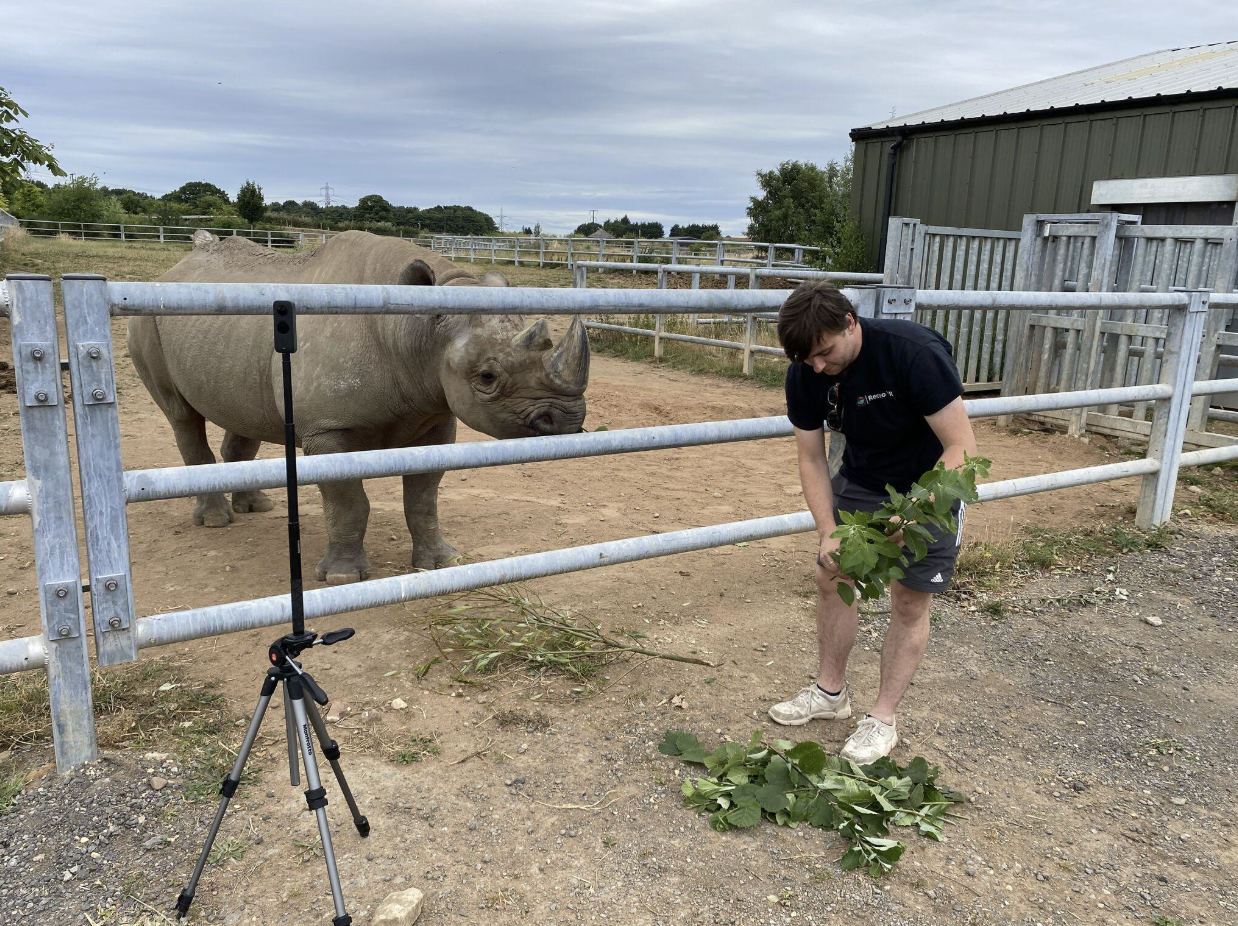
Recreo VR creates and films its own 360° virtual experiences, allowing content to be carefully designed around comfort, familiarity, and emotional safety. There is no fast movement, no height simulation, and no intense sensory input, reducing the risk of confusion or discomfort for people living with dementia. Content can be selected to reflect a resident’s life story, personal interests, and past experiences, making sessions more meaningful and effective.
Backed by Alzheimer’s Society
Recreo VR is backed by Alzheimer’s Society and used across a wide range of dementia care settings. The technology supports life-story work by giving residents visual access to places and experiences that may otherwise be difficult to recall or reach.
By combining VR with gentle facilitation from care staff, sessions can become powerful opportunities for connection, reassurance, and engagement.
Contact the team today to find out more.