

CQC expectations have changed: What care homes need to know.
The Care Quality Commission is no longer assessing care homes in snapshots. The new Single Assessment Framework introduces continuous review, with a strong emphasis on lived experience through “I” statements, centred around the resident. Inspectors are looking for evidence that residents are engaged in meaningful activities.
Homes are already being downgraded where meaningful engagement is lacking, which means only around 5% of care homes are currently rated “Outstanding.” That’s a signal of not only rising standards, but of a widening gap between what’s expected and what’s being delivered.
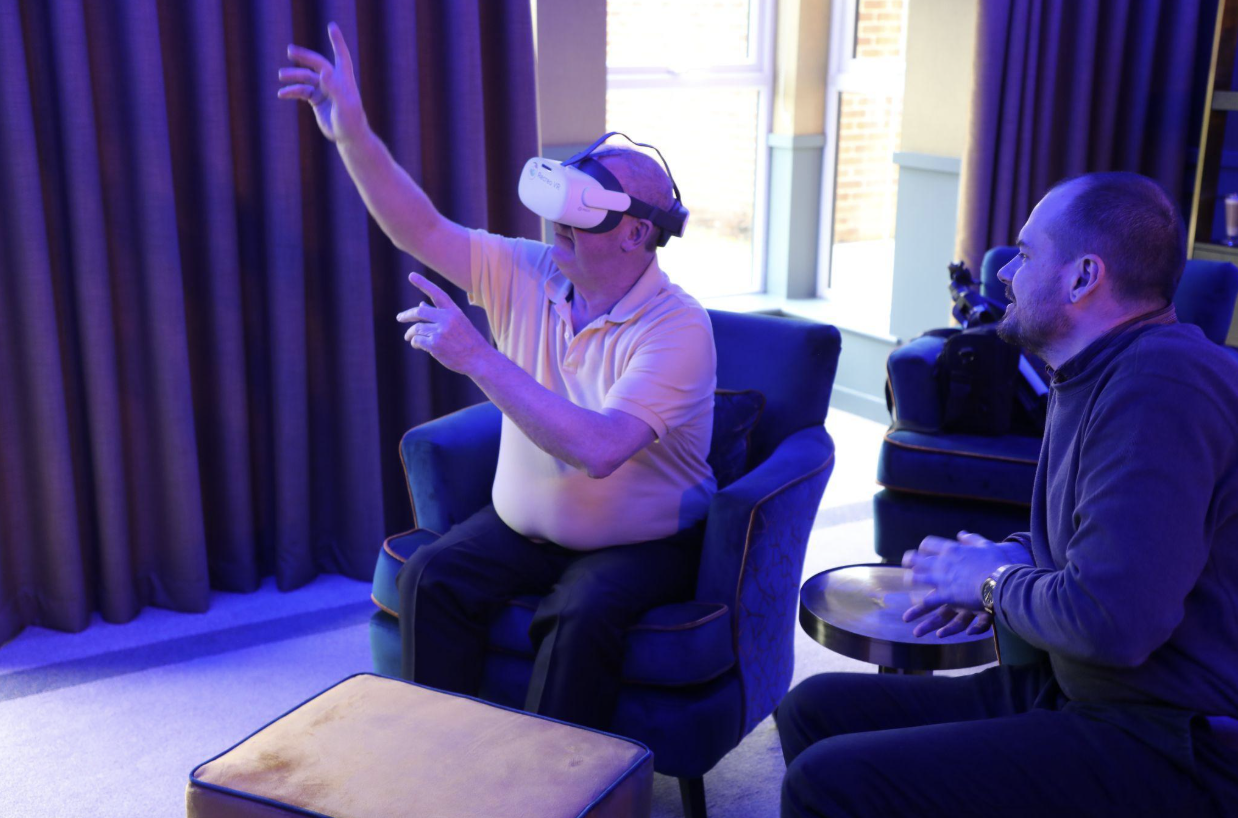
Why is meaningful engagement important in care settings?
A resident can be well cared for physically. Still, if meaningful engagement is ignored, this can lead to an increase in boredom, loneliness, and isolation, which can ultimately cause physical problems. And according to PubMed Central, social isolation is comparable to smoking fifteen cigarettes a day in how it impacts an individual's health.
Under the new framework, it’s no longer enough to say activities are “available.” Homes need to demonstrate that residents are actively engaged, stimulated, and experiencing moments of connection that are personal to them.
That means inspectors are looking for more than a timetable of activities. They want to see:
Evidence of participation
Individualised engagement
Clear resident voice captured through “I” statements
Outcomes that show wellbeing is improving
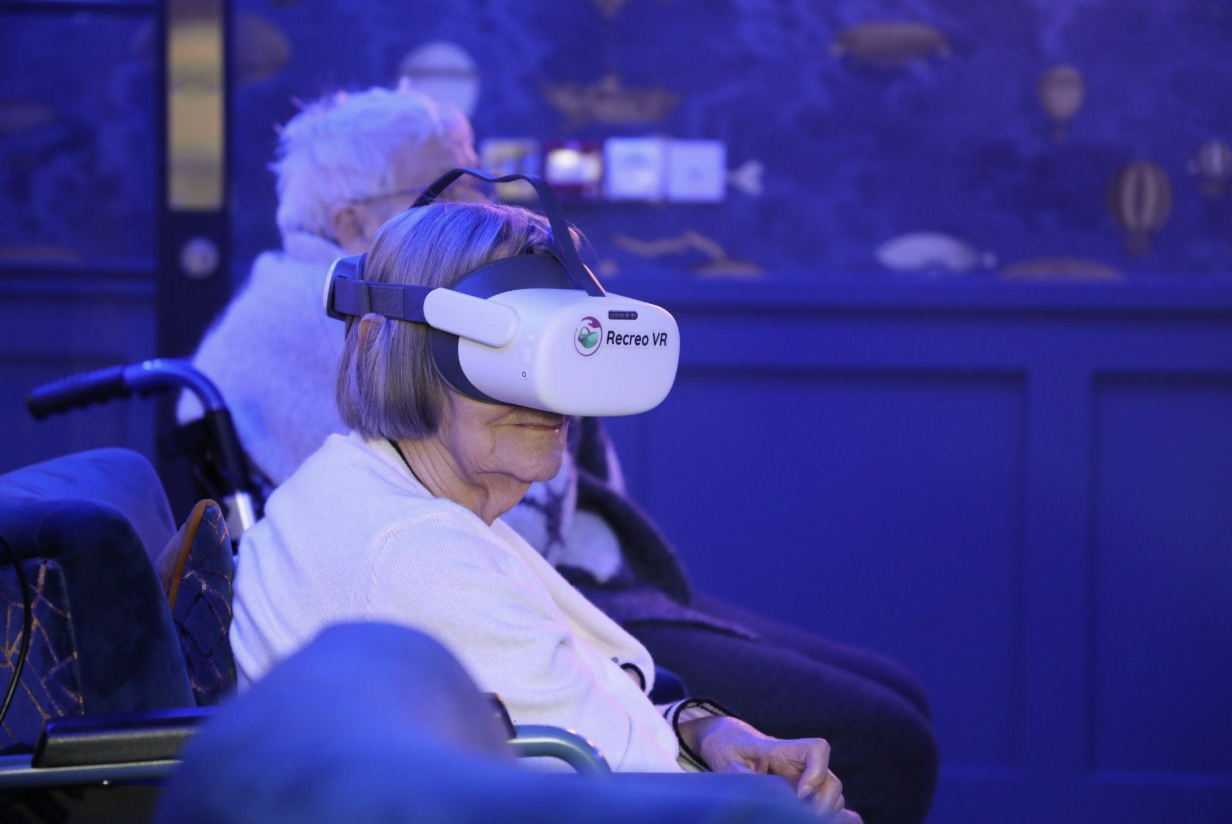
The challenge of implementing new engagement activities.
The challenge for many care homes is capacity. Activities coordinators are often stretched, sometimes working alone, and traditional activity provision doesn’t always reach residents who are less mobile, less verbal, or more isolated.
This is where many homes are starting to rethink their approach. Not to replace human interaction, but to extend it. Tools that enable immersive, personalised experiences can help bridge that gap, particularly for residents who are otherwise hard to engage consistently.
The question CQC is now asking isn’t just “are activities available?” It’s “do residents feel their life is meaningful here?” If that can’t be clearly demonstrated, it will increasingly show in ratings, feedback, and outcomes.
The direction of travel is clear. Meaningful engagement is no longer an added extra in care provision. It’s becoming a core marker of quality, safety, and leadership. Homes that adapt early will not only meet compliance standards. They’ll be improving resident wellbeing in a way that is visible, measurable, and sustainable.
Recreo VR: Virtual reality for care settings
At Recreo VR, we create and record many of our own experiences, allowing care homes to choose from a growing library of virtual destinations or request bespoke videos tailored to their residents.
That could mean recreating a trip to a childhood seaside town, showing the local high street, or capturing a new destination a resident has always wanted to visit.
Please contact the team if you’d like to learn more about our virtual reality care.