
Enhancing Mental Health and Wellbeing with Virtual Reality
Mental health is an important part of everyday life, yet stress, anxiety, and isolation affect many people. Finding ways to manage these challenges is essential. Virtual reality (VR) is increasingly being used to support mental health by providing immersive experiences that promote relaxation, mindfulness, and emotional wellbeing.
How VR Can Support Mental Health
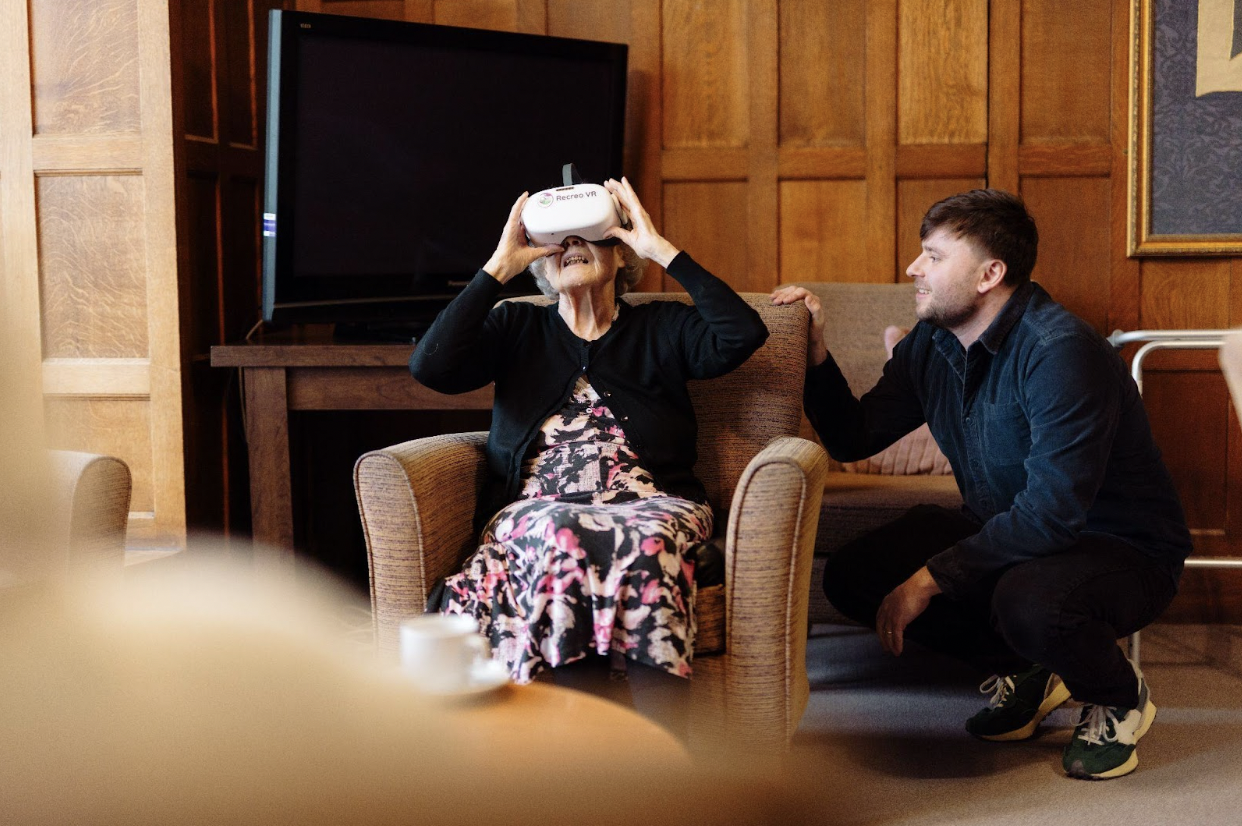
Virtual reality can create controlled, calming environments that encourage relaxation and reflection. For people experiencing stress or anxiety, stepping into a VR environment can provide a safe space to focus on the present and temporarily step away from daily pressures.
For example, VR can simulate a walk through a quiet forest, the gentle movement of ocean waves, or a peaceful garden. These experiences combine visual, auditory, and sometimes even interactive elements to create a sense of presence. This sensory immersion helps users feel grounded and calm, which can reduce stress levels and improve overall mood.
Unlike other forms of relaxation, VR can be used anywhere with a headset, making it accessible for individuals at home, in healthcare settings, or in group sessions. This flexibility means VR can complement existing mental health support rather than replace it, offering additional tools for coping and self-care.
Using VR for Mindfulness and Social Connection
Mindfulness is widely recognised for its benefits, including stress reduction, improved focus, and better emotional regulation. VR enhances mindfulness by placing users in immersive environments that are free from distractions and encourage engagement with the present moment.
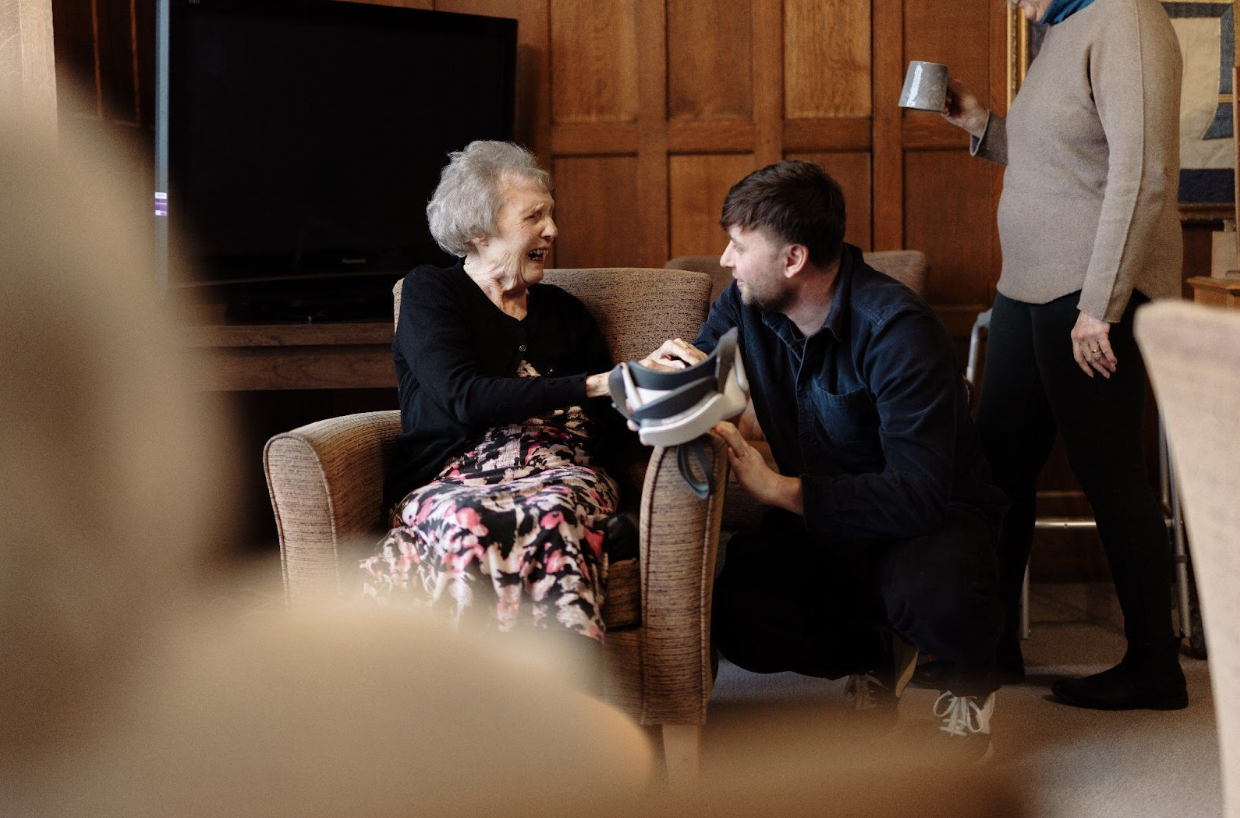
Isolation can have a significant impact on mental health, increasing feelings of loneliness and sometimes worsening anxiety or depression. VR can help address this by offering shared experiences that improve social interaction.
Practical Applications of VR for Wellbeing
VR is being used in a variety of ways to support mental health and wellbeing:
Stress and anxiety reduction: Immersive natural environments, guided relaxation, and calming soundscapes can help users lower stress levels and reduce anxiety.
Mindfulness practice: VR can make mindfulness exercises more engaging and easier to follow, improving focus and emotional regulation.
Cognitive and exposure therapy: VR can be used in controlled settings for therapy, such as exposure therapy for phobias or social anxiety.
Social wellbeing: VR can support group activities, connecting people who may be isolated due to illness or mobility challenges.
Rehabilitation and recovery: In healthcare settings, VR can provide calming and motivating experiences for patients recovering from illness or managing chronic conditions.
Virtual reality offers a practical way to support mental health and wellbeing. By creating immersive experiences that encourage relaxation, mindfulness, and social connection, VR can help reduce stress and provide moments of calm when they are needed most.
Whether used individually or in a group setting, VR adds an additional layer of support for mental health, complementing other strategies and interventions. As more people explore the potential of VR, it is becoming a recognised tool for enhancing wellbeing and creating meaningful experiences that support emotional health.
VR experiences for care homes
At Recreo VR, we create and record many of our own experiences, allowing care homes to choose from a growing library of virtual destinations or request bespoke videos tailored to their residents.
That could mean recreating a trip to a childhood seaside town, showing the local high street, or capturing a new destination a resident has always wanted to visit.
Please get in touch with the team if you’d like to hear more about our virtual reality care.